


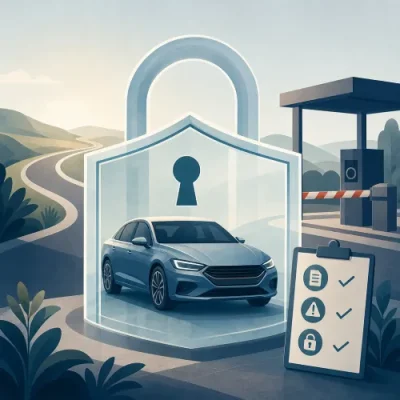
A secured car loan is a type of vehicle finance where the car is used as security for the loan. In practical terms, the lender has a legal interest in the vehicle until the loan is repaid and the security is released. This structure is common in Australia for both new and used car finance, but it is important to understand what it means before you sign a loan contract.
Security can affect the way a lender assesses risk, the loan terms available and what may happen if repayments are missed. It does not mean approval is certain, and it does not remove the need to compare the total cost of the loan, fees, insurance requirements and your ability to repay.
If you are comparing car loan options, you can start with the range of car loans for personal and commercial use available through Loans For Cars, then use the points below to understand how secured vehicle finance works.
What does "secured against the vehicle" mean?
When a car loan is secured against the vehicle, the vehicle acts as collateral for the debt. The borrower still uses and registers the car, but the lender has a security interest in it while money is owing under the loan.
This security interest gives the lender certain rights if the borrower defaults on the loan. Depending on the contract, the lender's processes and the law that applies, this may include taking steps to recover the vehicle and sell it to reduce the outstanding debt.
A secured car loan is different from simply owning a car outright. Until the loan is finalised and the lender's interest is discharged, the vehicle may be subject to finance even though it is in the borrower's possession.
How the lender's security interest is recorded
In Australia, a lender's security interest in a financed vehicle is commonly recorded on the Personal Property Securities Register, usually called the PPSR. A PPSR registration helps show that another party has an interest in the vehicle.
For borrowers, this matters in two main ways:
- During the loan: the lender's interest may remain registered while the debt is outstanding.
- When selling or refinancing: the loan may need to be paid out and the security released before clear title can pass to another buyer or lender.
For used car buyers, a PPSR check can help identify whether a vehicle is recorded as having finance owing or another registered interest. It can also show certain vehicle status information. A PPSR check should not replace broader due diligence, such as checking the vehicle's condition, service history and whether the seller is entitled to sell it.
Why lenders use security for car loans
Security reduces some of the lender's risk because the loan is connected to an asset. If the borrower does not meet the repayment obligations, the lender may have a way to recover some of the outstanding balance through the vehicle.
Because of this, secured car loans may sometimes have different pricing or eligibility settings compared with unsecured personal loans. However, rates, fees, approval criteria and loan features vary between lenders and depend on the borrower's circumstances, the vehicle and the lender's assessment.
Lenders may consider factors such as:
- the borrower's income, employment or business trading position;
- credit history and existing debts;
- the age, value, type and condition of the vehicle;
- whether the car is being bought privately, through a dealer or for business use;
- the loan amount compared with the vehicle's value;
- the proposed loan term, deposit and repayment structure.
If you are unsure how different lenders may view your circumstances, the brokers page can help explain how broker support may assist with comparing lender criteria. Any finance outcome will still depend on lender assessment and individual circumstances.
Secured vs unsecured car loan in Australia
The key difference between a secured and unsecured car loan is whether the lender takes security over the vehicle. Both options may be used to buy a car, but they work differently.
| Feature | Secured car loan | Unsecured car loan |
|---|---|---|
| Security | The vehicle is used as security for the loan. | No specific vehicle security is taken for the loan. |
| Vehicle restrictions | The lender may set rules about vehicle age, value, condition or acceptable sellers. | Usually more flexible about what the funds are used for, subject to lender policy. |
| Risk to the vehicle | If the borrower defaults, the lender may be able to repossess and sell the vehicle. | The lender cannot rely on a specific vehicle security interest, but can still pursue unpaid debt through other recovery processes. |
| Interest rates and terms | May be priced differently because the lender has collateral, but this varies by lender and borrower profile. | May have different rates, borrowing limits or terms because the loan is not secured by the car. |
| Common use | Often used for new and used vehicle purchases where the car meets lender requirements. | May suit borrowers wanting more flexibility, where available and appropriate. |
Neither option is automatically better for every borrower. The right structure depends on your needs, budget, vehicle choice, risk tolerance and the options available to you.
What happens if you miss repayments?
Missing repayments on any loan can have serious consequences. With a secured car loan, the risk includes the possibility that the lender may take action against the secured vehicle if the loan falls into default.
The exact process can depend on the loan contract, the lender's hardship and collections procedures, the amount outstanding and applicable credit laws. In general, consequences may include:
- late payment fees or default charges, if permitted under the contract;
- negative information appearing on your credit report;
- collection activity from the lender or an appointed agent;
- repossession of the vehicle in serious default situations;
- sale of the vehicle to reduce the outstanding balance;
- continued liability for any shortfall if the sale proceeds do not clear the debt.
If you think you may miss a repayment, it is usually better to contact the lender early rather than waiting until the account is in arrears. Many lenders have hardship processes, but the available options and outcomes depend on the circumstances and lender policy.
Understanding negative equity
Negative equity occurs when the amount owing on the car loan is more than the vehicle is worth. This can happen because cars generally depreciate, especially in the early years of ownership, and because interest, fees or longer loan terms can keep the loan balance higher for longer.
Negative equity can create problems if you want to sell, trade in, refinance or if the vehicle is written off. For example, if you owe more than the sale or insurance payout amount, you may still need to cover the shortfall.
Ways borrowers commonly try to reduce negative equity risk include:
- choosing a vehicle and loan amount that fits their budget;
- considering a deposit or trade-in where practical;
- being cautious with long loan terms that lower repayments but may increase total interest;
- understanding any balloon payment or residual amount before agreeing to it;
- checking whether insurance arrangements are adequate for the financed vehicle.
You can use a vehicle loan calculator to estimate how loan amount, term and repayment assumptions may affect your budget. Calculator results are estimates only and do not replace a lender quote or credit assessment.
Insurance and secured vehicle finance
Many lenders require comprehensive insurance on a vehicle used as security. This is because the vehicle is the asset supporting the loan, and damage, theft or write-off may affect the lender's ability to recover the debt.
Insurance requirements vary by lender and loan contract, but borrowers should carefully check:
- whether comprehensive cover is required before settlement;
- whether the lender must be noted as an interested party on the policy;
- what happens if the vehicle is written off and the insurance payout is less than the loan balance;
- whether optional products, such as shortfall or gap-style cover, are available, suitable or necessary for their circumstances;
- the ongoing cost of premiums, excesses and exclusions.
Insurance is a separate cost from the loan repayment. When comparing finance, include registration, fuel, servicing, tyres, insurance and maintenance in your total ownership budget.
Buying or selling a car with finance owing
If a vehicle is subject to a secured car loan, the lender's security interest generally needs to be dealt with before ownership can transfer cleanly. This is particularly important for private sales.
If you are buying a used car, consider asking whether finance is owing and obtaining a PPSR check before paying a deposit or finalising the purchase. If finance is recorded, the seller may need to arrange a payout with their lender at settlement.
If you are selling a financed car, ask your lender for a payout figure and instructions for releasing the security. The payout amount may differ from the current loan balance because it can include interest, fees or other amounts calculated to the payout date.
For trade-ins, a dealer may help manage the payout as part of the transaction, but it is still important to confirm the figures and understand whether any shortfall is being paid separately or added to new finance.
Can you modify, sell or use the car freely?
A secured car loan contract may include conditions about how the vehicle is used and maintained. These conditions vary, but may affect whether you can sell the car, make significant modifications, use it for rideshare or delivery work, or take it outside Australia.
Before agreeing to a loan, check the contract for restrictions that could affect your plans. This is especially important if the vehicle will be used for business, commercial travel, heavy work use or any purpose outside ordinary private driving.
Business and commercial secured car loans
Secured vehicle finance is also common for business vehicles. A company, sole trader or trust may use the financed vehicle as security, depending on the lender and loan structure.
Commercial car loans can have different documentation requirements, tax considerations, repayment structures and borrower obligations. For example, a lender may assess business income, trading history, cash flow and whether the vehicle is suitable for the stated business purpose.
Tax treatment can also depend on how the vehicle is used and the borrower's structure. Borrowers should seek professional tax advice if they need guidance on deductions, GST, depreciation or business use records.
Questions to ask before choosing secured vehicle finance
Before applying for a secured car loan, it may help to ask practical questions such as:
- What vehicle types, ages and purchase sources will the lender accept?
- Will the loan be registered on the PPSR?
- What insurance does the lender require?
- What fees apply at application, settlement, monthly account keeping, early repayment or payout?
- Can I make extra repayments, and are there limits or charges?
- What happens if I want to sell or refinance the car before the loan ends?
- Is there a balloon payment, and how will I manage it at the end of the term?
- What are the consequences if I miss repayments?
- What is the total amount payable over the loan term, not just the monthly repayment?
Reading the loan contract carefully and comparing multiple options can help you understand the trade-offs before committing.
Key takeaways
A secured car loan means the vehicle is used as security for the debt. This can influence the lender's risk assessment, loan conditions and the borrower's obligations. It also means the lender may have rights over the vehicle if the borrower defaults.
For Australian borrowers, the main points to understand are the PPSR registration, insurance requirements, repossession risk, negative equity risk and the process for selling or refinancing a financed car. Secured vehicle finance can be a common and useful structure, but it should be assessed alongside your budget, total loan cost and personal or business circumstances.